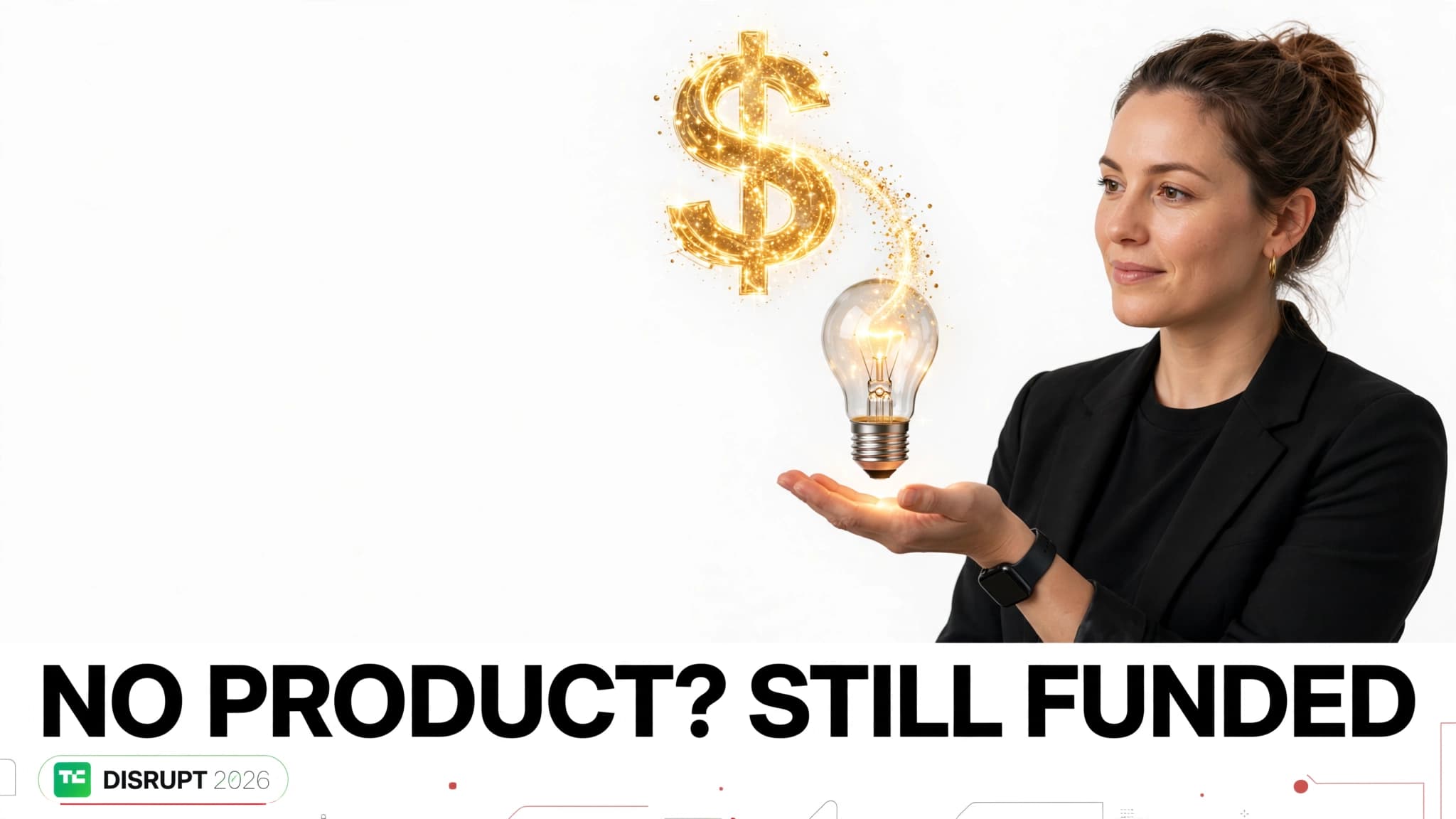
The art of securing pre-seed funding without a product is a daunting task for many startup founders, but it is not impossible. As the startup ecosystem continues to evolve, investors are becoming more open to backing early-stage companies with promising ideas, even if they do not have a tangible product yet. This shift in mindset will be explored at TechCrunch Disrupt 2026, where a session titled "Winning Pre-Seed Without a Product" will take place on the Builders Stage.
The session will feature a panel of experienced investors and founders, including Sandhya Venkatachalam, Puneet Agarwal, and Austin Clements, who will share their insights on what it takes to secure pre-seed funding without a product. The prospect of securing funding without a product is especially appealing to founders who are still in the idea stage. However, it requires a deep understanding of what investors are looking for in a pre-seed startup.
Axiom Partners, an early-stage venture fund with a $52 million investment portfolio, has been connecting founders with top-class AI practitioners. Their investment strategy demonstrates that investors are willing to take risks on promising ideas, even if they do not have a concrete product yet. Similarly, True Ventures, a veteran venture capital firm, has also been investing in pre-seed companies with potential for growth.
As the startup community prepares for Disrupt 2026, which will take place in San Francisco at Moscone West from October 13-15, the question on everyone's mind is: what are the key factors that investors consider when funding pre-seed startups without a product? While there is no straightforward answer, it is clear that investors are looking for founders with a clear vision, a strong team, and a well-defined market opportunity.
Key Factors for Pre-Seed Funding
The session at Disrupt 2026 will be an opportunity for founders to learn from experienced investors and entrepreneurs who have been through the process of securing pre-seed funding without a product.
| Key Highlights | Details |
|---|---|
| Clear Vision | Founders need to have a clear understanding of their market opportunity and a well-defined vision for their product |
| Strong Team | Investors look for founders with a strong team that has the necessary skills and expertise to execute their vision |
| Market Opportunity | A large and growing market opportunity is essential for attracting investors, even if the product is still in the idea stage |
The table highlights the key factors that investors consider when funding pre-seed startups without a product. The session at Disrupt 2026 will provide more insights on how founders can effectively pitch their ideas to investors.
Why It Happened
The shift in investor mindset towards backing pre-seed startups without a product is a result of several factors.
- The increasing number of successful startups that have secured funding without a product has shown investors that it is possible to take risks on early-stage companies.
- The growing importance of AI and machine learning has created new opportunities for startups to innovate.
- The rise of early-stage venture funds like Axiom Partners has provided founders with more options for securing funding without a product.
- Organizations like Slauson & Co., Glīd, PledgeLA, and the Annenberg Foundation have also contributed to the growth of the startup ecosystem.
Deal Structure
The deal structure for pre-seed funding without a product can vary depending on the investor and the startup.
| Deal Structure | Details |
|---|---|
| Equity Investment | Investors provide funding in exchange for equity in the startup |
| Convertible Notes | Investors provide funding in the form of convertible notes that can be converted into equity at a later stage |
| Grants and Loans | Some investors provide funding in the form of grants or loans that do not require equity in return |
Market Impact
The trend of securing pre-seed funding without a product is having a significant impact on the startup ecosystem.
- It is creating more opportunities for founders to innovate.
- It is providing investors with more options for backing early-stage companies with potential for growth.
- It is also creating new challenges for founders, who need to navigate the complexities of securing funding without a product.
Outlook
As the startup ecosystem continues to evolve, it is likely that we will see more pre-seed startups securing funding without a product. The session at Disrupt 2026 will provide valuable insights for founders who are looking to secure funding without a product. While there are still many open questions about how to secure pre-seed funding without a product, one thing is clear: it is becoming increasingly possible for founders to secure funding without a concrete product.
The future of pre-seed funding without a product looks promising, with more investors and founders embracing the idea of taking risks on early-stage companies. However, it is also important to acknowledge the challenges that come with securing funding without a product. By understanding the key factors that investors consider when funding pre-seed startups without a product, founders can increase their chances of securing funding and growing their startups into successful companies.