Key Takeaways
- US Secretary of State Marco Rubio expects India to be concerned about new generic drug import tariffs.
- Tariffs on generic drugs will rise significantly after August 1, 2026, impacting imports.
- The existing policy on patented, branded, and innovative drugs remains unchanged.
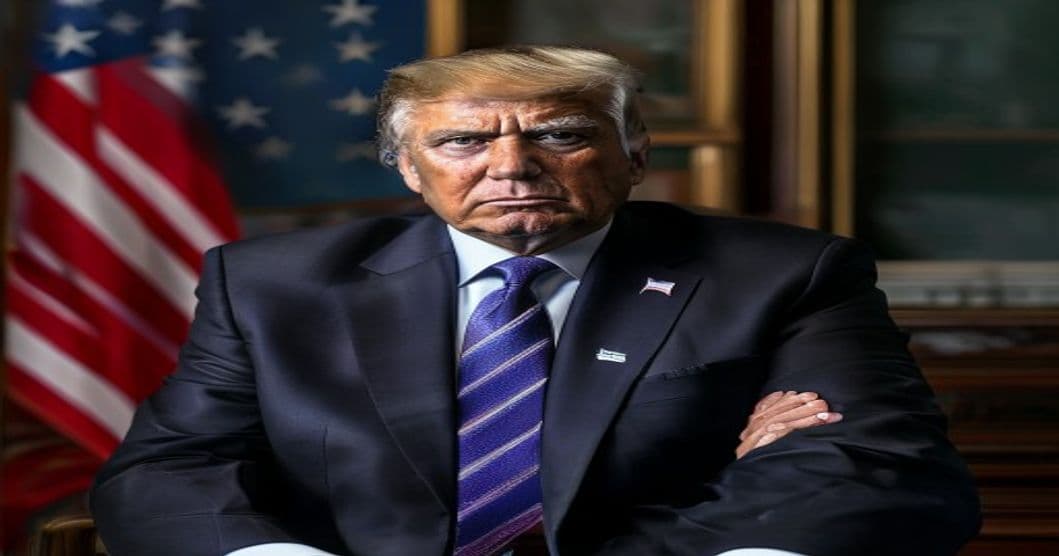
As the world grapples with the implications of US President Donald Trump's latest tariff policy, India is likely to be one of the countries most affected. The policy, announced recently, will see tariffs on generic drugs rise significantly after August 1, 2026. In an exclusive interview, US Secretary of State Marco Rubio expressed his expectation that India will be concerned about the fresh generic drug imports tariffs.
Tariff Storm Looms for Indian Pharma Exports
| Key Highlights | Details |
|---|---|
| US President Donald Trump's tariff policy | Fresh generic drug imports tariffs will rise to 200% after August 1, 2026 |
| Existing policy unchanged | Patented, branded, and innovative drugs will continue to attract zero per cent tariffs |
| Impact on Indian exports | Significant rise in tariffs after August 1, 2026, will impact Indian generic drug exports |
The tariff policy, announced recently, will see tariffs on generic drugs rise significantly after August 1, 2026. While the existing policy on patented, branded, and innovative drugs remains unchanged, the new policy will see tariffs on generic drugs rise to 200% after August 1, 2026. This will likely have a significant impact on Indian exports of generic drugs to the US.
Why it Happened
- The US President's objective is to protect American citizens.
- The policy is aimed at promoting domestic manufacturing and reducing dependence on foreign imports.
- The policy is part of a broader effort to promote American industry and innovation.
The US President's objective is to protect American citizens by promoting domestic manufacturing and reducing dependence on foreign imports. The policy is aimed at promoting American industry and innovation, and is part of a broader effort to strengthen the US economy. This policy is part of a recent announcement by the US President.
Deal Structure
| Key Highlights | Details |
|---|---|
| Zero per cent tariffs for two years | Generic drugs will continue to attract zero per cent tariffs for two years from August 1, 2026 |
| 100 per cent tariffs for one year | Tariffs will rise by up to 100 per cent for one year after August 1, 2026 |
| 200 per cent tariffs after August 1, 2026 | Tariffs will rise to 200 per cent after August 1, 2026 |
The existing policy on patented, branded, and innovative drugs remains unchanged, with generic drugs continuing to attract zero per cent tariffs for two years from August 1, 2026. The policy will see tariffs on generic drugs rise significantly after August 1, 2026.
Broader Market Impact
- The policy is likely to have a significant impact on Indian exports of generic drugs to the US.
- The policy is part of a broader effort to promote American industry and innovation.
- The policy is likely to have a significant impact on the global pharmaceutical market.
The policy is likely to have a significant impact on Indian exports of generic drugs to the US. The policy is part of a broader effort to promote American industry and innovation, and is likely to have a significant impact on the global pharmaceutical market.
Outlook
As the world grapples with the implications of US President Donald Trump's latest tariff policy, India is likely to be one of the countries most affected. The policy, announced recently, will see tariffs on generic drugs rise significantly after August 1, 2026. In an exclusive interview, US Secretary of State Marco Rubio expressed his expectation that India will be concerned about the fresh generic drug imports tariffs. The policy is likely to have a significant impact on Indian exports of generic drugs to the US, and is part of a broader effort to promote American industry and innovation.
Frequently Asked Questions
What is the valuation of the new generic drug tariffs?
The valuation of the new generic drug tariffs is not explicitly mentioned in the policy announcement. However, it is expected that the tariffs will rise significantly after August 1, 2026.
What are the specific penalties for companies that choose not to establish manufacturing plants and equipment within the specified timeframe?
The specific penalties for companies that choose not to establish manufacturing plants and equipment within the specified timeframe are not explicitly mentioned in the policy announcement. However, it is expected that companies that fail to comply with the policy will face significant penalties.