Key Takeaways
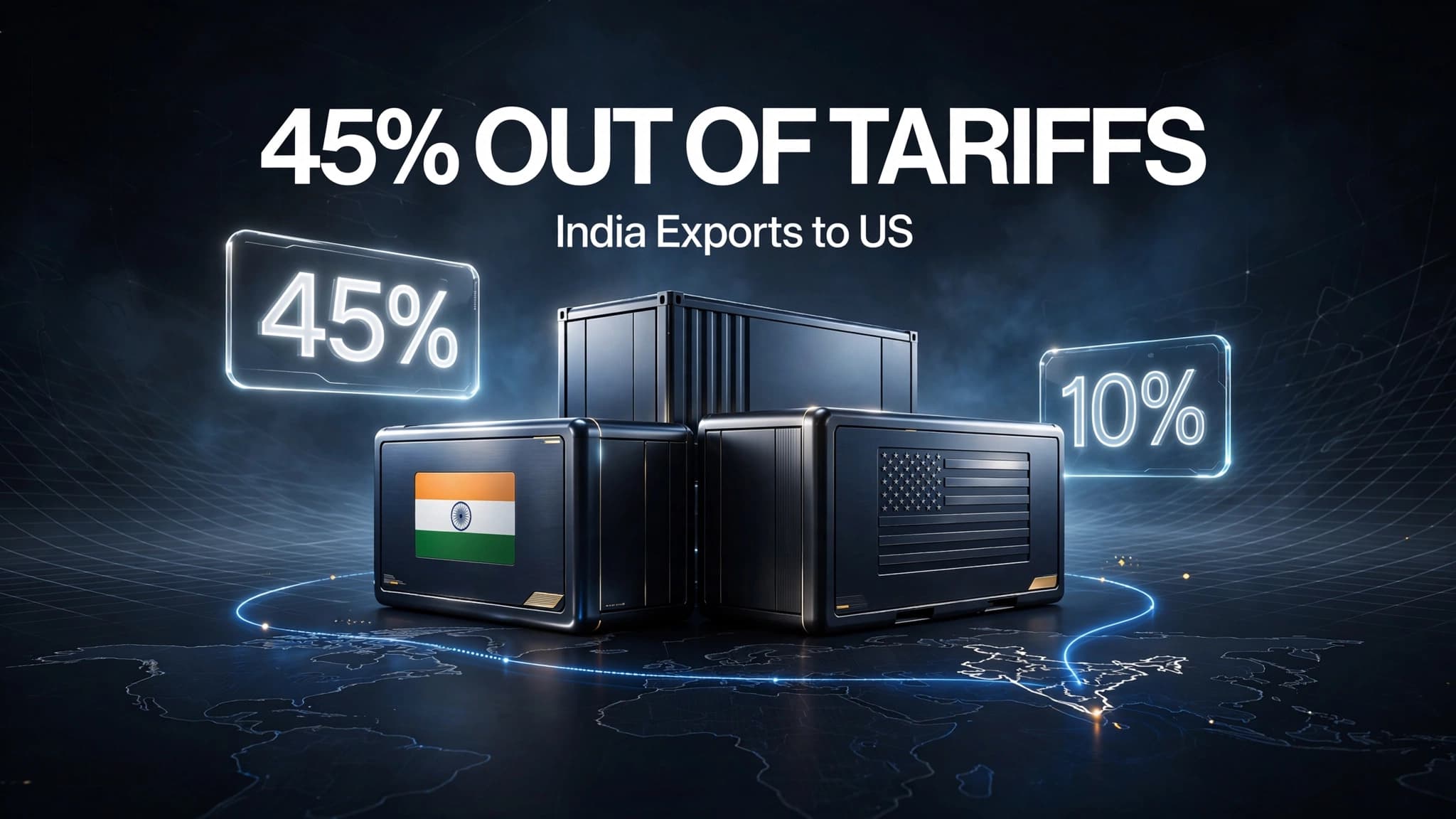
- 45% of India's exports to the US remain outside the additional 10% duty imposed under Section 301 measures.
- The remaining 55% of exports will attract the 10% additional duty, affecting a substantial share of India's goods exports to the US.
- The US and India are negotiating a Bilateral Trade Agreement for early conclusion.
The Indian government has provided clarification on the impact of the US's Section 301 measures on the country's exports to the US. The US has placed India in a lower tariff bracket of 10% under its Section 301 measures on alleged forced labor concerns. However, approximately forty-five percent of India's exports to the US remain outside this additional duty.
This development comes as the US Trade Representative (USTR) on July 23 announced the final measures under Section 301 of the US Trade Act, 1974. The government of India remained "close engaged" with USTR throughout the investigation through detailed written submissions and in-person consultations. India's goods exports to the US were $87.3 billion in FY26.
India Exports Outside Section 301 Tariffs
| Key Highlights | Details |
|---|---|
| 45% of exports | Remain outside the additional 10% duty imposed under Section 301 measures |
| 55% of exports | Attract the 10% additional duty, affecting a substantial share of India's goods exports to the US |
| Excluded products | Generic pharmaceuticals, smartphones, and certain other specified products, and products already covered under Section 232 measures, including steel, aluminium, and auto parts |
The remaining 55% of exports will attract the 10% additional duty, affecting a substantial share of India's goods exports to the US. A substantial share of India's exports to the US, which currently attract zero additional duties, such as generic pharmaceuticals, smartphones, and certain other specified products, and products already covered under Section 232 measures, including steel, aluminium, and auto parts, are not subject to the additional 10% duty.
Why it Happened
The US has imposed Section 301 measures on several countries, including India, due to alleged forced labor concerns. The US has placed India in a lower tariff bracket of 10% under its Section 301 measures. However, India continues to engage with the US on textile-specific measures. Both nations are negotiating a Bilateral Trade Agreement for early conclusion.
- The US Trade Representative (USTR) has announced the final measures under Section 301 of the US Trade Act, 1974.
- India continues to engage with the US on textile-specific measures.
- Both nations are negotiating a Bilateral Trade Agreement for early conclusion.
- India's goods exports to the US were $87.3 billion in FY26.
Deal Structure
| Key Highlights | Details |
|---|---|
| Tariff bracket | 10% under Section 301 measures |
| Excluded products | Generic pharmaceuticals, smartphones, and certain other specified products, and products already covered under Section 232 measures, including steel, aluminium, and auto parts |
The US has imposed a 10% additional duty on a substantial share of India's exports to the US. However, India continues to engage with the US on textile-specific measures and is negotiating a Bilateral Trade Agreement for early conclusion.
Broader Market Impact
- The 10% additional duty on 55% of India's exports to the US may impact the country's trade balance.
- India's engagement with the US on textile-specific measures may lead to a mutually beneficial outcome.
- The Bilateral Trade Agreement between India and the US may have a positive impact on trade between the two countries.
Outlook
The US's Section 301 measures on India's exports are a significant development in the bilateral trade relationship between the two countries. The Indian government's clarification on the impact of the measures is a welcome move. However, the 10% additional duty on 55% of India's exports to the US may impact the country's trade balance. India's engagement with the US on textile-specific measures and the negotiation of a Bilateral Trade Agreement may lead to a mutually beneficial outcome.
Frequently Asked Questions
What is the valuation of the 55% of exports that will attract the additional 10% duty?
The US Trade Representative's announcement does not specify the valuation of the 55% of exports that will attract the additional 10% duty.
What are the textile-specific measures that India is engaging with the US on?
India is engaging with the US on textile-specific measures, but the details of these measures are not specified.
What is the status of the negotiations for the India-US BTA?
The negotiations for the India-US Bilateral Trade Agreement are ongoing, but the details of the negotiations are not specified.